Why the PDF flipbook still wins
5 min read
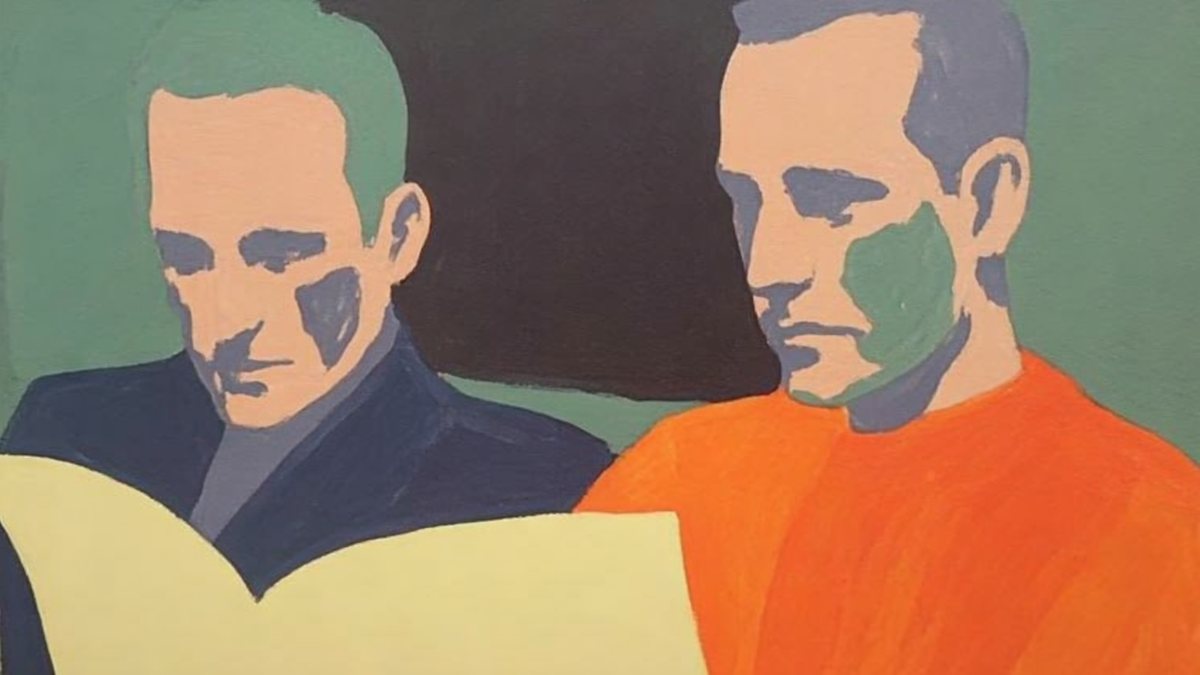
He's back from the conference with the lanyard still on. He has a slide. The slide says the future of member engagement is a personalised AI content experience, and he'd like to know, in front of the whole committee, why you're still making a magazine.
You know he's wrong, but it's 4.40 on a Wednesday and you can't remember why. That's a bad position, because the magazine's budget is about to be discussed by people who haven't read the magazine.
So here's the answer, in a form you can use at the table. We make flipbook software, so we're biased, and we've also bet our company on it. As far as we're concerned, it's magazines forever.
A finished thing is worth a lot
A magazine ends. There's a last page, and a member can reach it on the train and feel they've caught up. Very little else in their working day does that. The inbox doesn't end, the feed doesn't end, and a chatbot will happily talk to them until the battery dies.
That sense of an edition is also what gives your editor authority. Someone chose these eleven things out of the hundred that happened this quarter, and put the important one first. Choosing is the service. Members who pay fees are paying partly for someone to tell them what matters, and a feed that hands them everything has stopped doing that job.
Sponsors buy a page
An advertiser in your magazine gets a full page beside a feature their customers want to read, in the company of your name. Ask a sponsor what they'd pay to be item 14 in a personalised stream, and watch their face.
The flipbook keeps that page exactly as it was designed, then adds what print could never give them: a link that works and a count of who clicked. Zeenly reports reads, unique readers, link clicks and video plays, so "how did my ad go?" gets a number. That number is what gets you the renewal.
You're already making the file
This is the argument finance will like. Your designer exports a PDF at the end of every issue anyway. Turning it into a flipbook takes one upload, so you get an interactive magazine with no second production process, no app to build, and no developer to keep sweet. Replacing it with a personalised AI experience means someone has to build that, run it and answer for what it tells your members about the new compliance rules.
Ask him who that someone is. It's usually a good moment in the meeting.
PDF is boring in the way you want
PDF has been around for decades, which is usually said as a criticism. For a publisher, it's the best thing about it. There's even an ISO standard for keeping documents looking the same for the long haul: PDF/A was published in 2005 for exactly that purpose. Your 2009 issue still opens. Try that with the app your association paid for in 2014.
One file also survives changes of everything around it, including your website, your staff and your platform. If you ever leave Zeenly, you've still got your PDFs, and you can take them anywhere. We'd rather you stayed because you like us.
AI makes the flipbook stronger
Here's what the slide missed. The tools he's excited about work very well with this format.
Claude can read your PDF, list every name and date for checking, draft the launch email and write the social posts. With the Zeenly connector, it can upload the issue and publish it when you say so. Your back issues become a resource you can search and reuse, and you can keep your magazine's voice while you do it. The magazine stays the thing members read, and AI takes on the jobs around it.
What to say when they push back
| They say | You say |
|---|---|
| "Nobody reads PDFs on a phone." | "A plain PDF is hard work on a phone, which is why we use a reader built for it. Let's open last issue on yours now." |
| "We can't measure a magazine." | "We can. Here are the reads and clicks on each sponsor's ad." |
| "Search engines can't read it." | "That's why our best articles also go on the website, and link back to the issue." |
| "AI could personalise everything." | "It could. Who writes it, who checks it, and which sponsor pays for it?" |
| "It looks old-fashioned." | "Members and advertisers both know what a magazine is. They don't need it explained." |
That third row is a fair criticism, and you should concede it. A flipbook is poor at being found by strangers, so pair it with web pages. Conceding one point will make you more believable on the other four.
Take something to the meeting
Before the next committee, pull three numbers from your last issue: reads, clicks on your biggest sponsor's ad, and what the issue cost per member. Our cost calculator will do the sum. Then, when the lanyard comes out, hand him your phone with the issue open. It's very hard to argue with a magazine while you're reading it.
Frequently asked questions
Isn't PDF an old format?
It is, and that's in its favour. Files from decades ago still open, and PDF/A, an ISO standard published in 2005, exists to keep documents looking the same over the long term.
Do flipbooks work on phones?
A good one does, and you should test yours on a phone before you choose a platform. Zeenly's reader is built for phones as well as laptops.
Should we also have web articles?
Yes, if you want people outside your membership to find you. Put your best three or four articles on your site and link them back to the issue.
Can AI read our flipbook?
Claude can read the PDF you made it from, so past issues stay useful for research, planning and reuse.